On Reciprocity, Finding Joy in the Natural World & Giving Back
As another year begins to draw to a close, we enter a season traditionally associated with gratitude. Thanksgiving invites us to gather with loved ones, reflect on the year behind us, and acknowledge the many things for which we are thankful.
But beyond this seasonal tradition, what does it really mean to have gratitude? Is it simply an expression of thanks, or is there something deeper to be discovered in the way we experience and engage with the world around us?
In her book Braiding Sweetgrass, botanist, author, and Indigenous scholar Robin Wall Kimmerer, a member of the Citizen Potawatomi Nation, explores gratitude through the lens of reciprocity. Drawing on Indigenous teachings and her understanding of ecology, she reminds us that our relationship with the natural world is one of both giving and receiving. The Earth provides us with countless gifts, from the air we breathe and the water we drink to the beauty and wonder that enrich our lives. Gratitude asks us not only to recognize these gifts, but to consider what we might offer in return.
Kimmerer introduces us to the Haudenosaunee Thanksgiving Address, also known as The Words That Come Before All Else. This traditional expression of gratitude acknowledges the many elements of the natural world that sustain life, from the waters and plants to the animals, winds, and sun.
In Braiding Sweetgrass, Kimmerer describes how children at the Onondaga Nation School begin each school day by reciting the Thanksgiving Address. An admiral practice- to begin each morning acknowledging the gifts of the natural world, cultivating gratitude not as an occasional expression of thanks, but as a way of life.
The Thanksgiving Address reminds us of our interconnectedness with the living world and the importance of recognizing the gifts we receive each day.
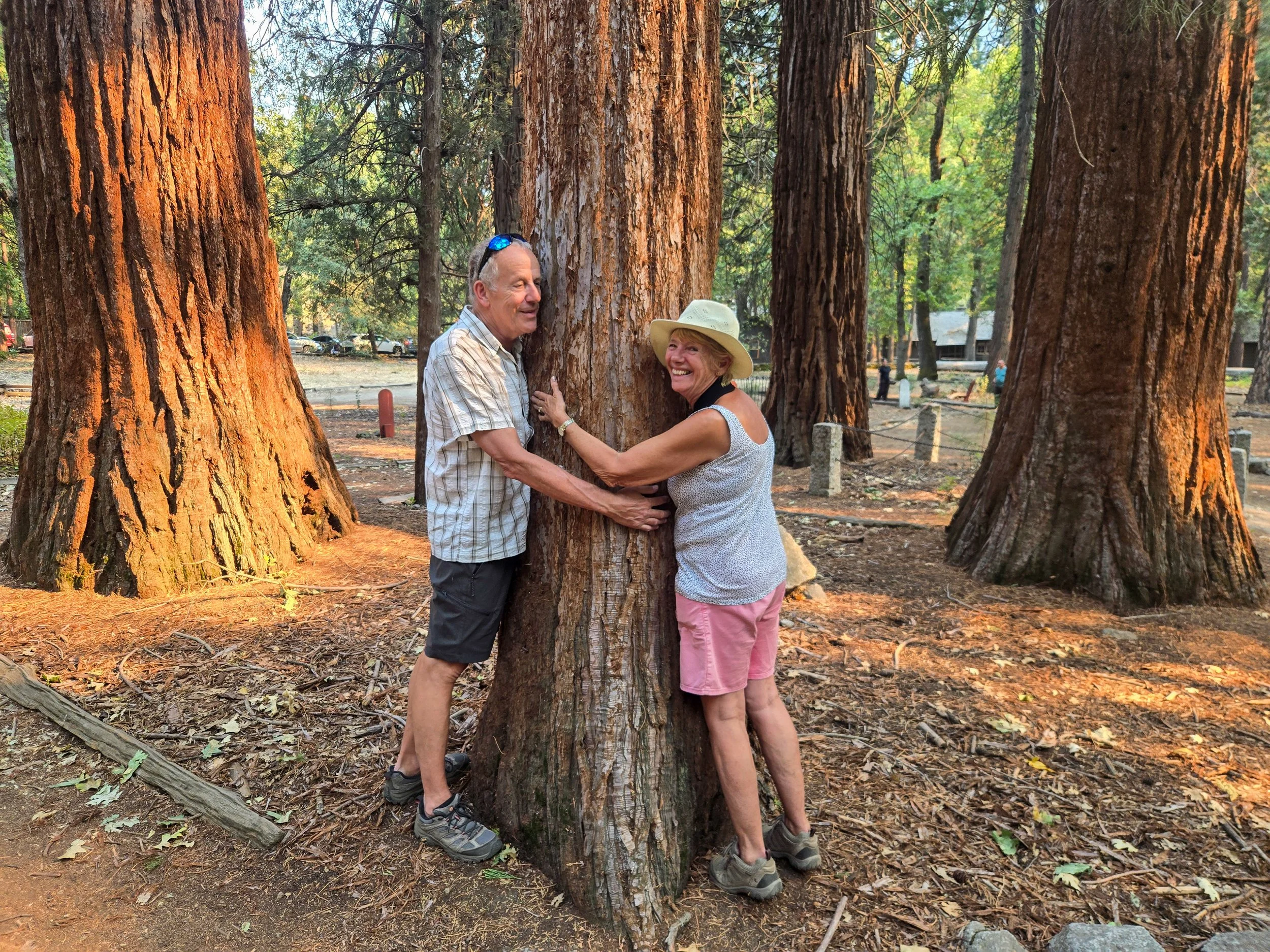
What I find particularly meaningful in Kimmerer's writing is the idea that reciprocity doesn't always require some grand gesture. Certainly, caring for the land, protecting its inhabitants, and acting as responsible stewards are important ways of giving back. But joy and appreciation can also be meaningful expressions of gratitude. Simply celebrating the gifts we've been given, finding pleasure in the beauty around us, and allowing ourselves to experience wonder can be ways of honoring the natural world.
I love the idea that our happiness and enjoyment can themselves be expressions of gratitude. That we don't always have to be doing something extraordinary to give thanks. Simply being present and appreciating what is before us is enough to begin.
This brings to mind the poetry of Mary Oliver, whose writing so often invites us to slow down, observe, and pay attention to the world around us. In her poem Sometimes, she offers these simple yet profound instructions:
“Pay attention. Be astonished. Tell about it.”
Through her keen observations of the natural world, Oliver reveals the extraordinary beauty found in seemingly ordinary moments. A bird's song, the changing light, a wildflower growing along the trail- there is so much to discover when we take the time to notice.
Perhaps paying attention is itself a form of gratitude. By observing, appreciating, and finding joy in the world around us, we acknowledge the gifts that might otherwise go unnoticed. And by sharing those experiences with others, we invite them to discover their own sense of wonder and appreciation.
This is where the ideas of gratitude and reciprocity come together. When we pay attention, we become more aware of the relationships that sustain us and the remarkable complexity of the living world. Appreciation deepens our connection, and that connection can inspire a greater sense of care and responsibility.
Gratitude, then, becomes more than a feeling or a seasonal expression of thanks. It becomes a way of being- a daily practice of noticing, appreciating, finding joy, and giving back.